
This year, you can help save a critically endangered ecosystem & the amazing animals who live there!
Our 2026 artwork supports the Coral Reef Alliance (CORAL).
CORAL is saving critically endangered coral reefs.
Join us to help save coral polyps (the tiny animals that build the reefs) & many other at-risk ocean animals who need coral reefs including Rainbow Parrotfish, Giant Triton Snails & Sawfish.
Kids
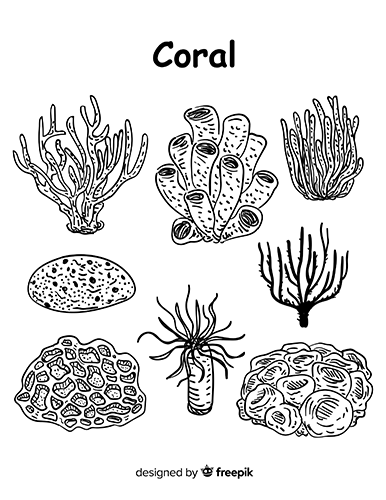
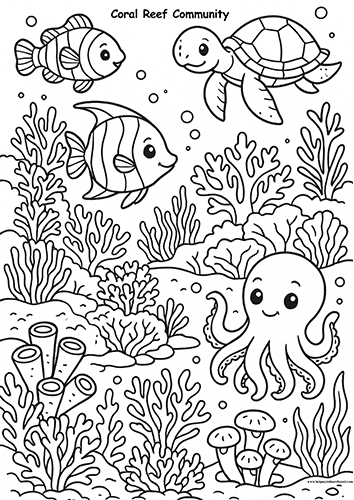
Kids, you can help by creating artwork.
- Use the coloring pages provided below — or feel free to find/create your own.
- An adult can click here to upload the artwork or mail it to us at Kids Coloring For a Cause, P.O. Box 184, Carrboro, NC 27510.
- Thank you for helping save these animals!
Adults
Adults, you can help by making a donation.
- Click here to donate.
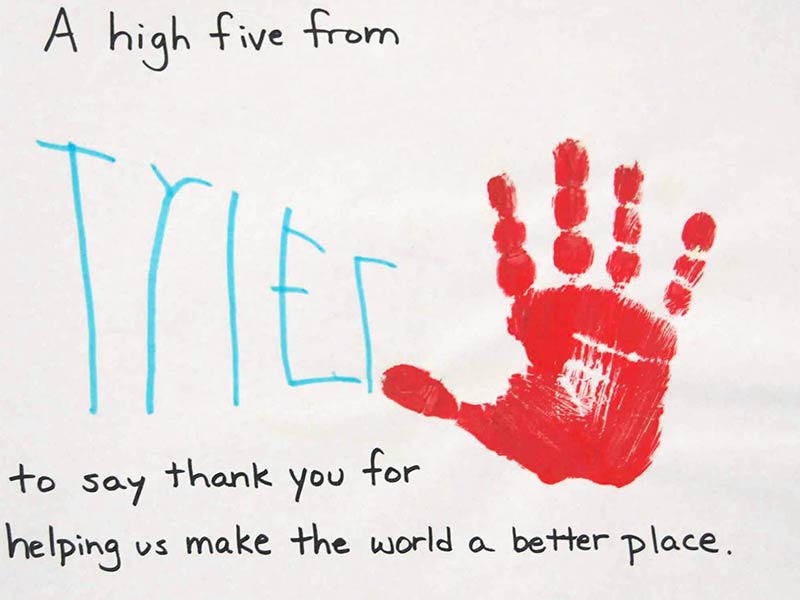
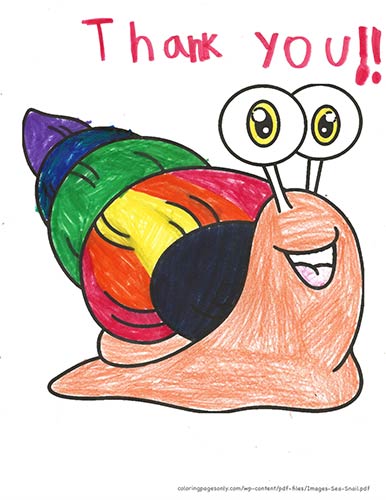
- Enjoy the artwork below or click here to choose your “Thank You!” artwork from a larger collection. Your donation has saved animals and inspired the kids who colored for this great cause!

Coral Reef Alliance
100% of funds raised will go directly to the Coral Reef Alliance. Click here to visit their website or here to donate.
Learn More
This year, we are saving warm-water, reef-building coral. There are ~890 species of these hard corals. Almost half of these species (44%) are vulnerable, endangered, or critically endangered.
You can help save them by learning and coloring with us!
This will also help other animals who rely on the coral reefs.
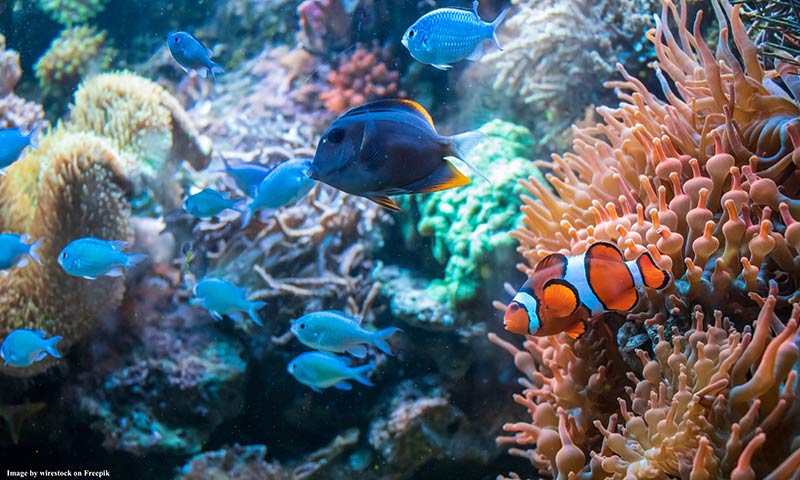
Fun Facts About Coral Reefs
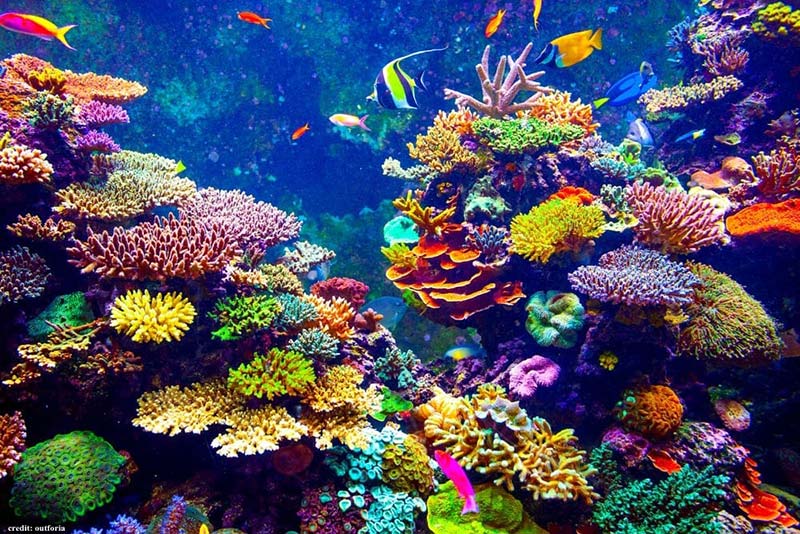
Coral Reefs are the “rainforests of the sea.”
- They absorb carbon dioxide and release oxygen.
- They cover less than 1% of the ocean floor, but they host 25% of all marine species.
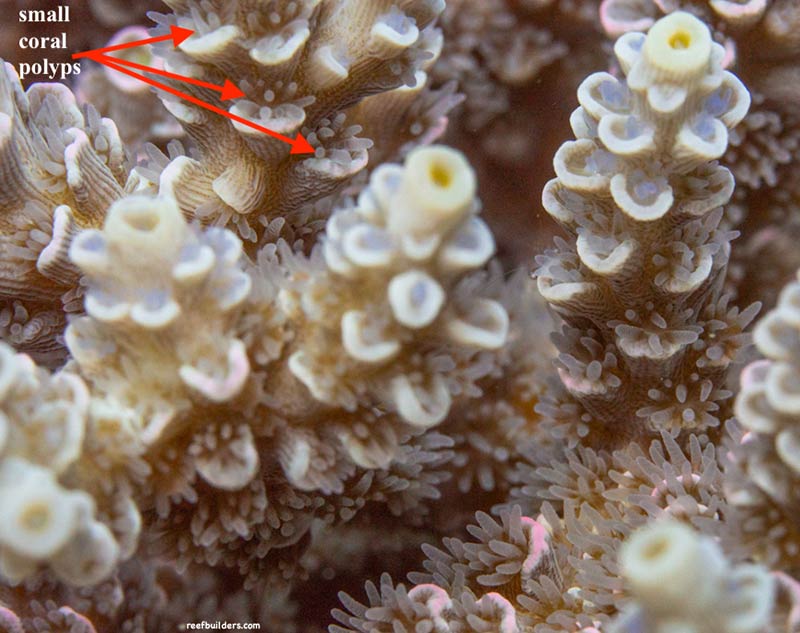
What we call “coral” is actually a colony of many individual animals called “polyps.”
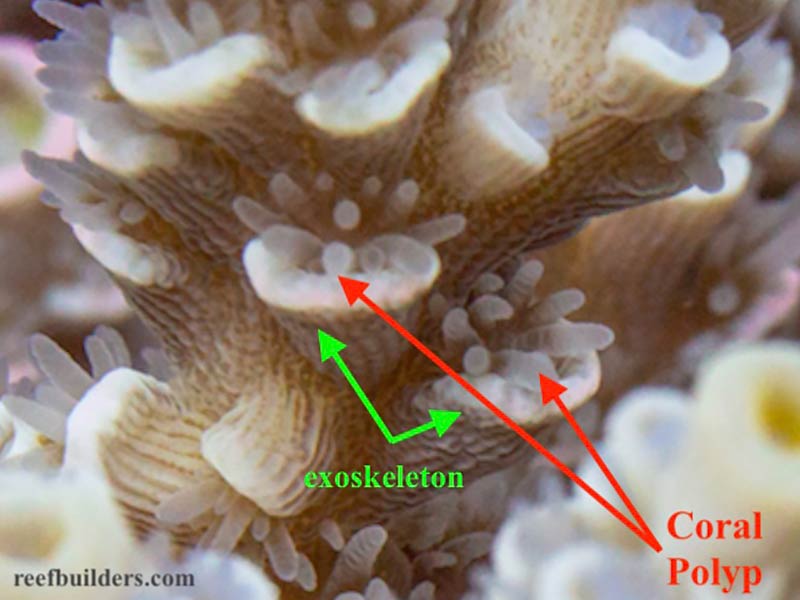
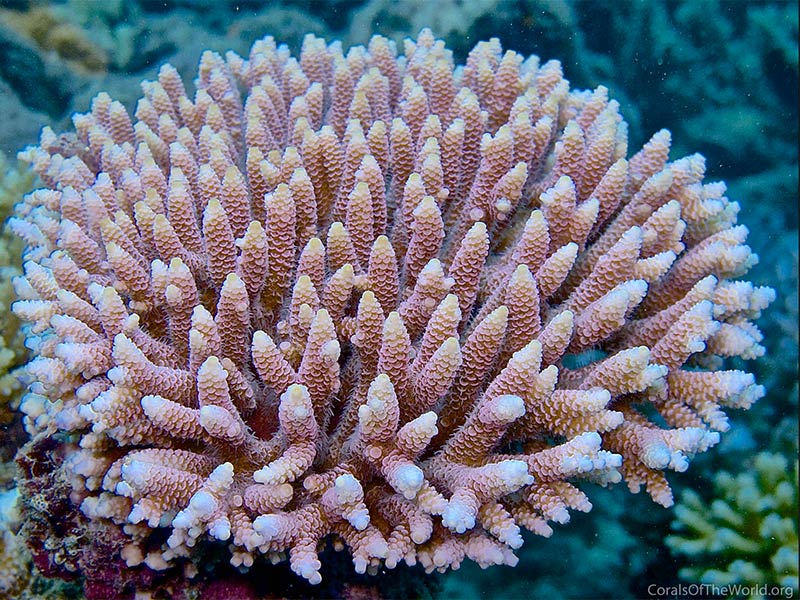
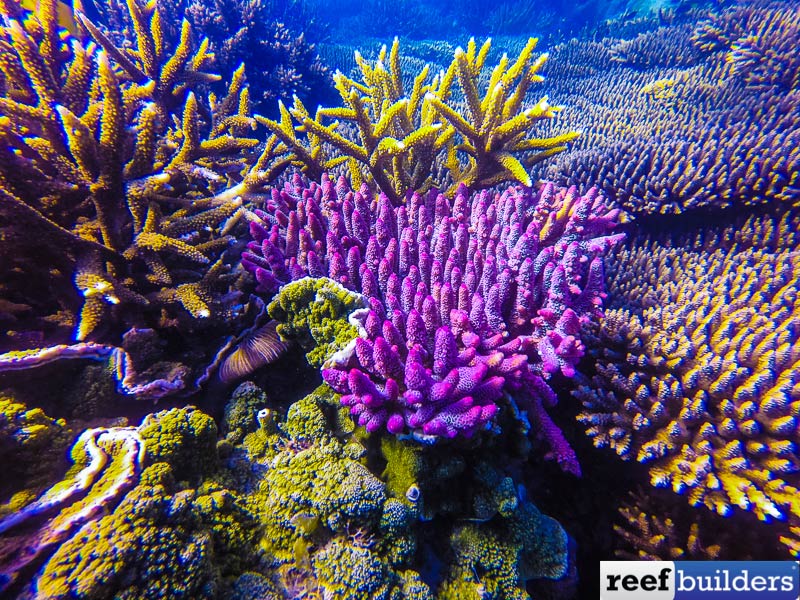
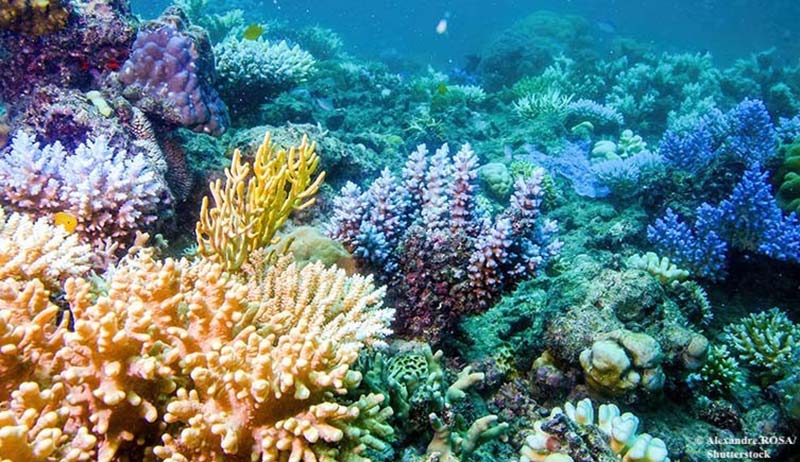
Coral comes in many colors.
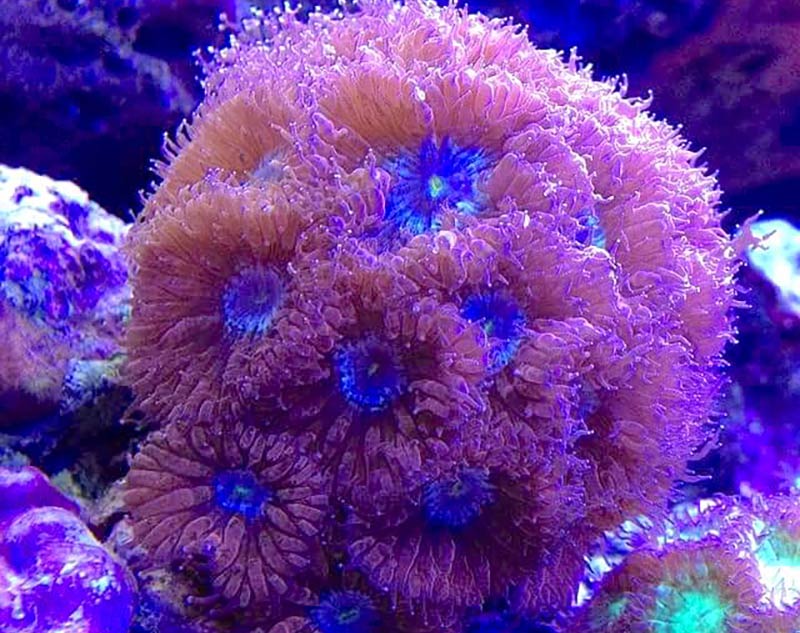
Coral can also have different size polyps.
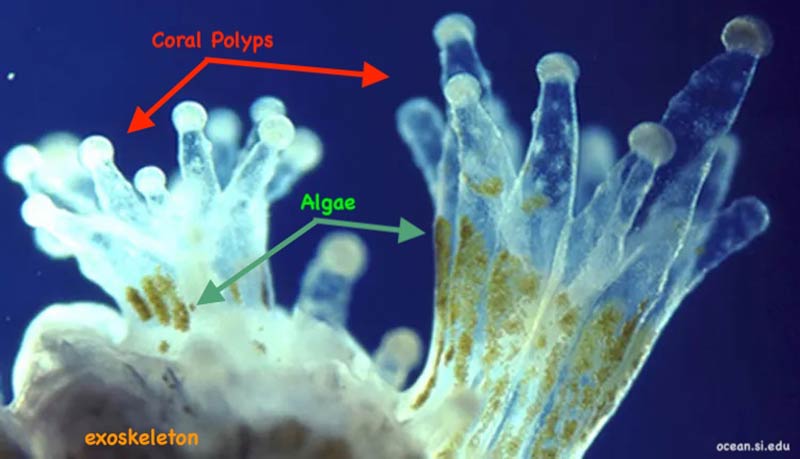
Coral and algae help each other.
The Coral Reef Alliance saves coral by
- removing stressors (making coral more resilient)
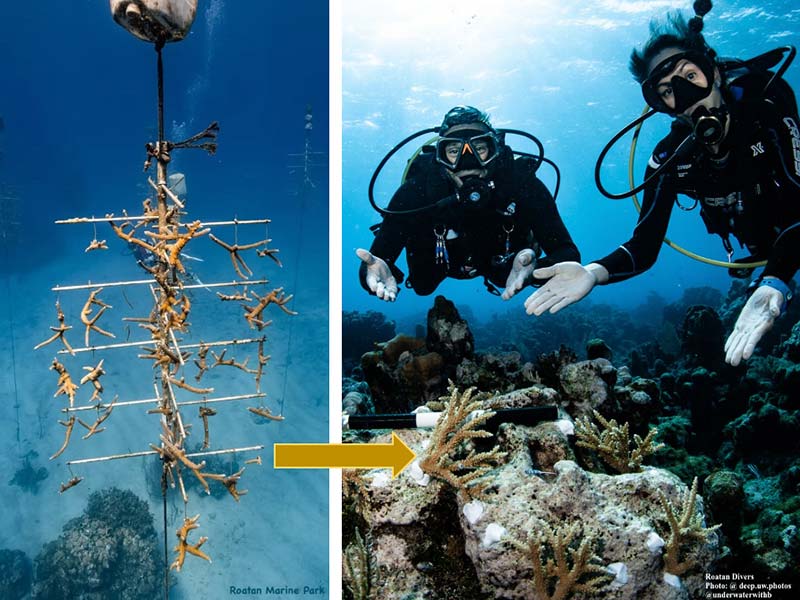
- supporting partners who remove stressors & restore coral reefs
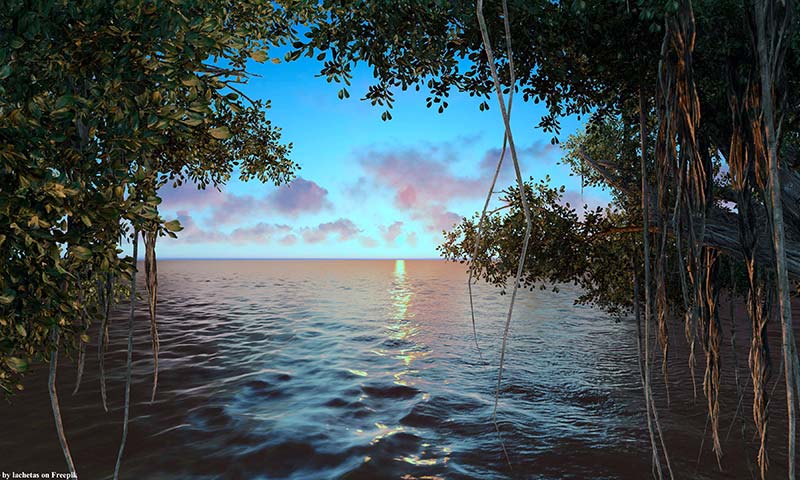
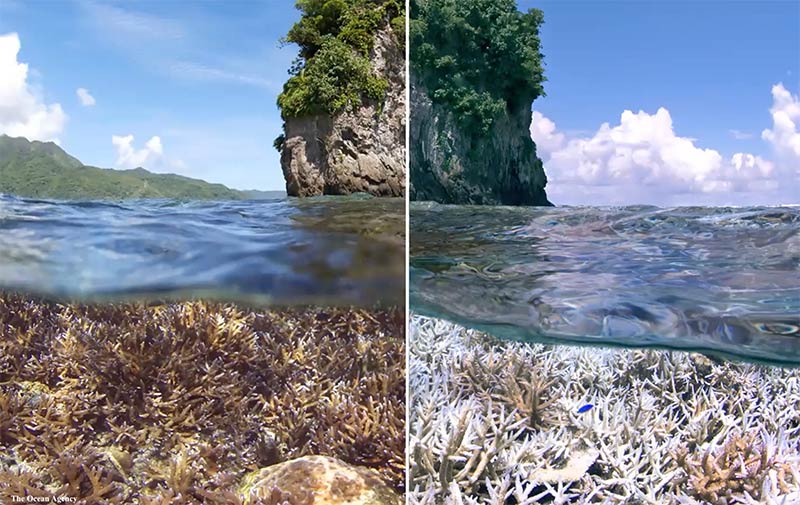
To save coral reefs, we must address climate change.
When water is too warm, algae produces toxins. When coral expels the algae/toxin, they lose color and food. This “bleached” coral may starve.
The Coral Reef Alliance helps create healthier reefs that are more able to handle climate stress. Reefs also store carbon, which can help reduce global warming.To save coral reefs, we must support local partnerships.
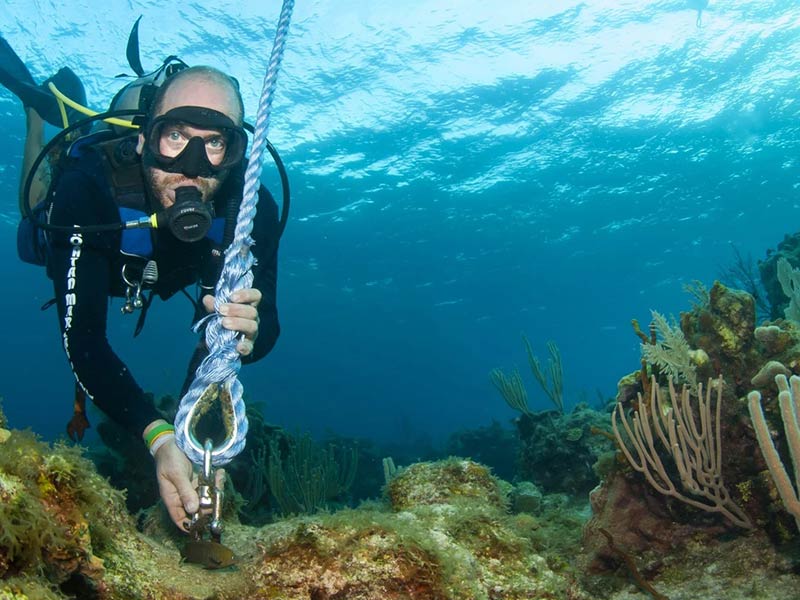
CORAL partners with Roatan Marine Park in Honduras.
Coral reefs host many animals, including those listed below.
Saving the reefs will help save these—and many other—animals!
Coral Polyps (Yes, coral polyps are animals!)
Many species of coral polyps are vulnerable, endangered, or critically endangered. Kids can help save them by coloring a picture.
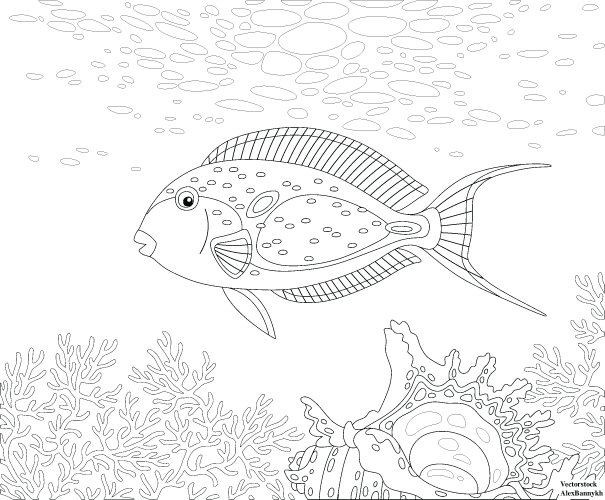
Rainbow Parrotfish
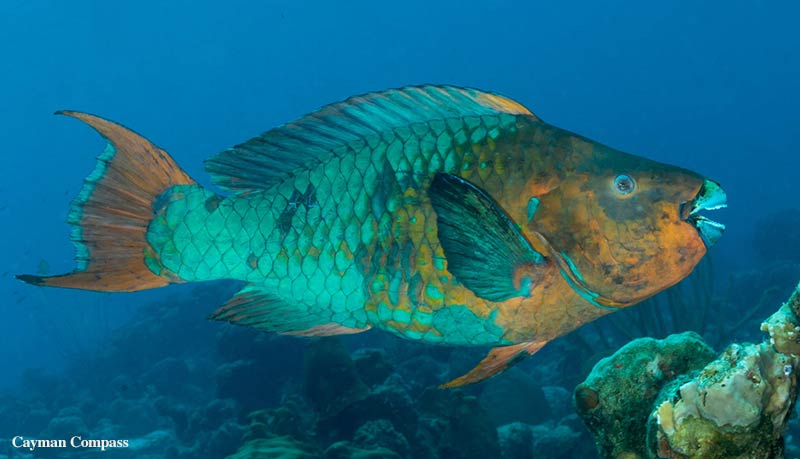
These fish are known as “coral cleaners” and “sand producers.” They grind coral to eat algae, maintaining the coral-algae balance and creating sand. Kids can help save this “near-threatened” species by coloring a picture.
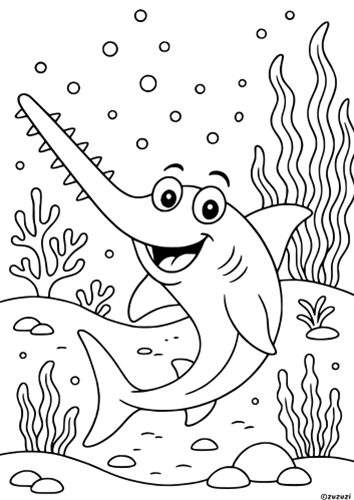
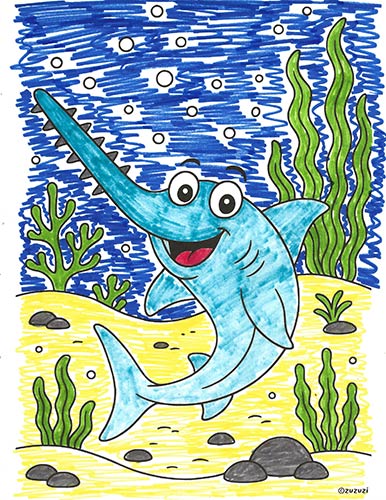
Sawfish
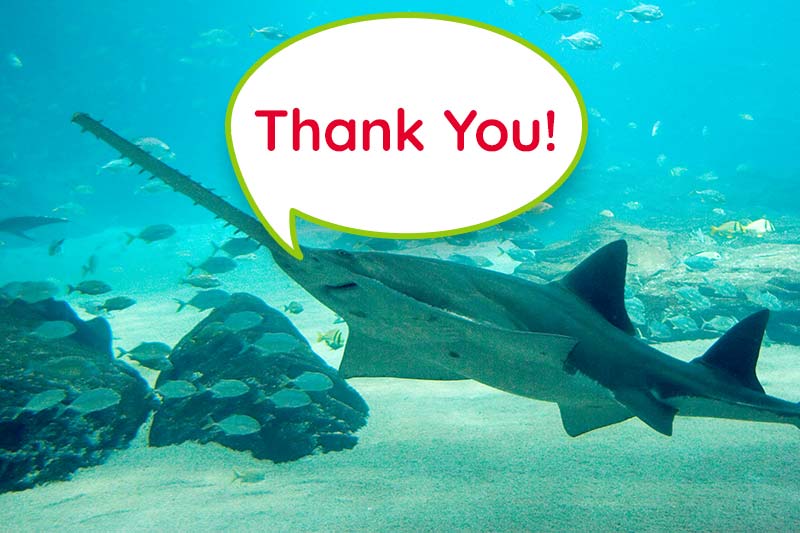
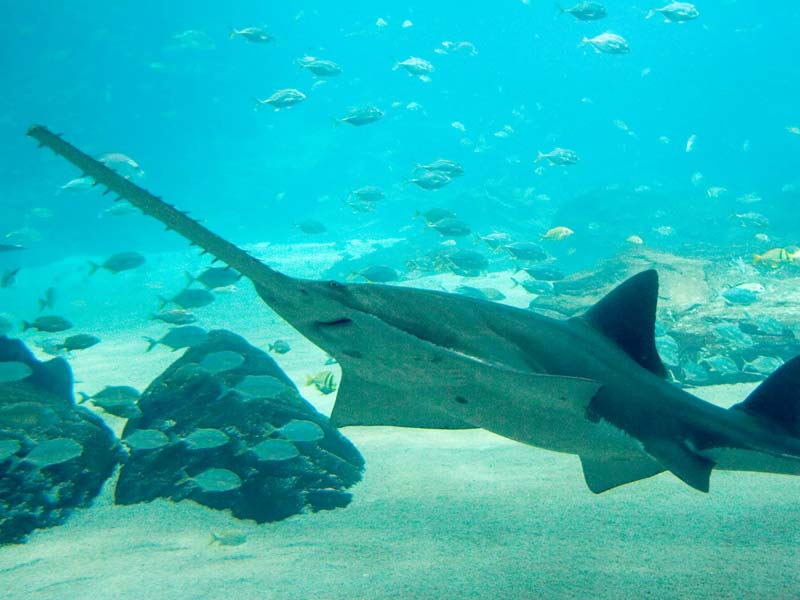
Sawfish are part of a coral reef’s balanced food web. Kids can help save this critically endangered species by coloring a picture.
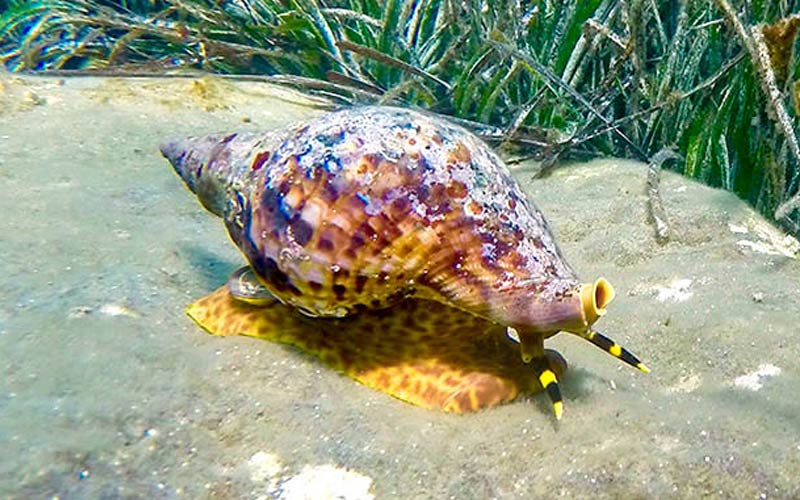
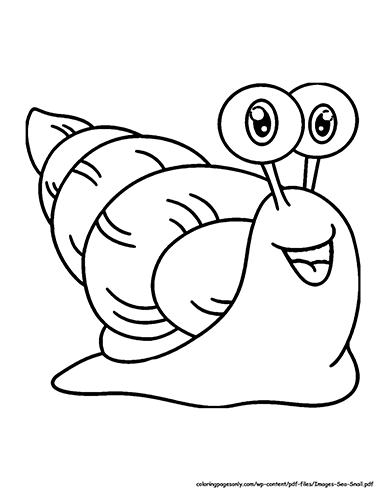
Giant Triton Snails
Giant Triton Snails are also a vital part of the coral-reef food web. COTS (Crown-of-Thorns Starfish) eat coral. The Giant Triton Snails eat COTS, which helps the coral. Kids can help save this vulnerable species by coloring a picture.
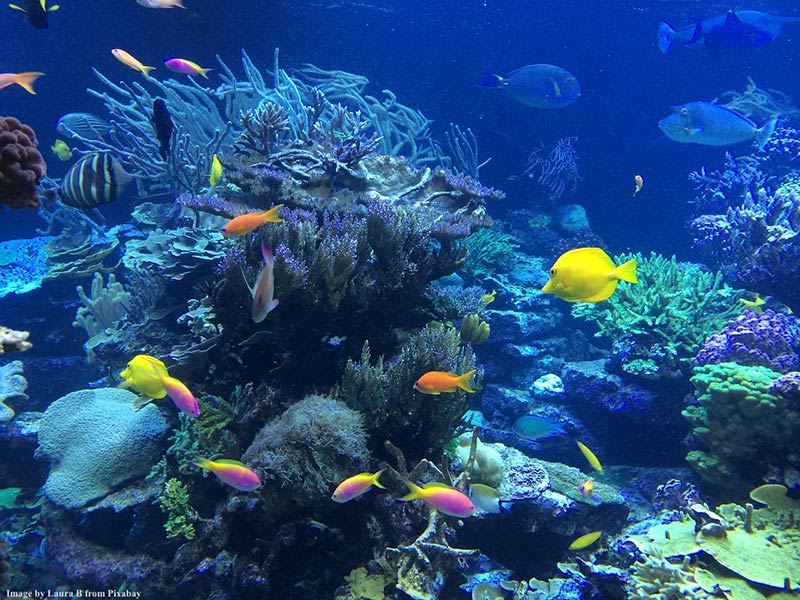
Thousands of other animals who depend on coral reefs
Thank you for helping save these animals — and all the other ocean animals who need this critically endangered coral reef ecosystem.
Thank You!
Kids, your artwork inspires sponsors to donate to the Coral Reef Alliance, which means the Coral Reef Alliance can save more coral reefs and ocean animals. Thank you for coloring!